
WATERSHED PROTECTION ENGINEERING
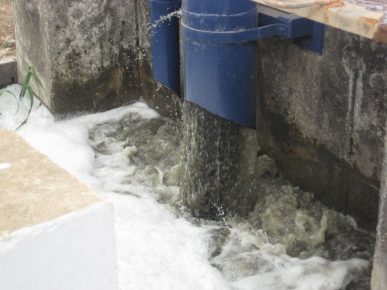
Every community produces both liquid and solid wastes and air emissions. The liquid waste or wastewater is essentially the water supply of the community after it has been used in a variety of applications.
Hence wastewater may be defined as a combination of the liquid or water-carried wastes removed from residences, institutions, and commercial and industrial establishments, together with such groundwater, surface water, and storm water (rainwater) as may be present.
Service brochure
As the general contractor, we first create the highest level of trust and integrity with our clients.
Contracting services
When untreated wastewater accumulates and is allowed to go septic, the decomposition of the organic matter it contains will lead to nuisance conditions including the production of malodorous gases. In addition, untreated wastewater contains numerous pathogenic microorganisms that dwell in the human intestinal tract. Also, wastewater contains nutrients, which can stimulate the growth of aquatic plants, and may contain toxic compounds or compounds that potentially may be mutagenic or carcinogenic. In view of the foregoing, the immediate removal of wastewater from its sources of generation, followed by treatment, reuse, or dispersal into the environment is necessary to protect public health and the environment.
BEES is a member of some non-profit organization for the prevention and control of water related diseases. We are associated with organizations dedicated to assist communities and governments in Africa and sponsor conferences, seminars, workshops, and other forums for training and education among the various sectors of the population (including health workers, food vendors, and open-market vendors), who we consider critical in the prevention and control of water-related diseases.